Clinical Data Management in Prostate Cancer

Clinical Data Management in Prostate Cancer Abhinav Mishra
Prostate Cancer
Prostate Cancer Prostate cancer is one of the most common malignancies in men and a leading cause of illness and death in industrialized countries. All patients with metastatic disease become un-responsive to hormonal therapy with time. Tumors treated with anti-androgen therapy eventually become androgen-independent and start to grow again. In cases where the disease continues to progress even though testosterone ablation by surgical or hormonal treatment has been achieved, the disease is referred to as Hormone-Refractory Prostate Cancer (HRPC).
• Recently, the scientific community’s demand for open sharing of data from these trials has encouraged sharing of patien
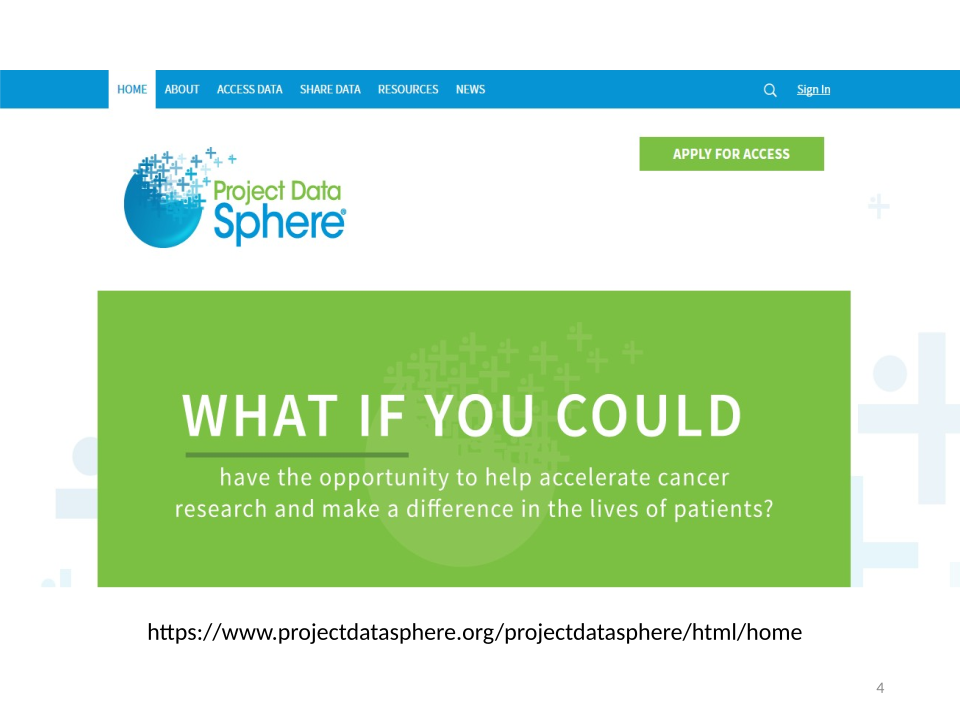
• Recently, the scientific community’s demand for open sharing of data from these trials has encouraged sharing of patient-level data from clinical trials. • One such clinical trial data sharing platforms is the Project Data Sphere which aims at making raw data from cancer clinical trials available for research. The database currently holds data from the comparator arms of 55 cancer clinical trials. • There are many potential benefits for the sharing of clinical trial data. • With trial data, available to the scientific community, trial results can be examined, reproduced and combined with other data to conduct metaanalyses. • Comparing treatments, outcomes and other disease-related patterns by meta-analysis can help gain a better understanding of the disease under investigation.
https://www.projectdatasphere.org/projectdatasphere/html/home
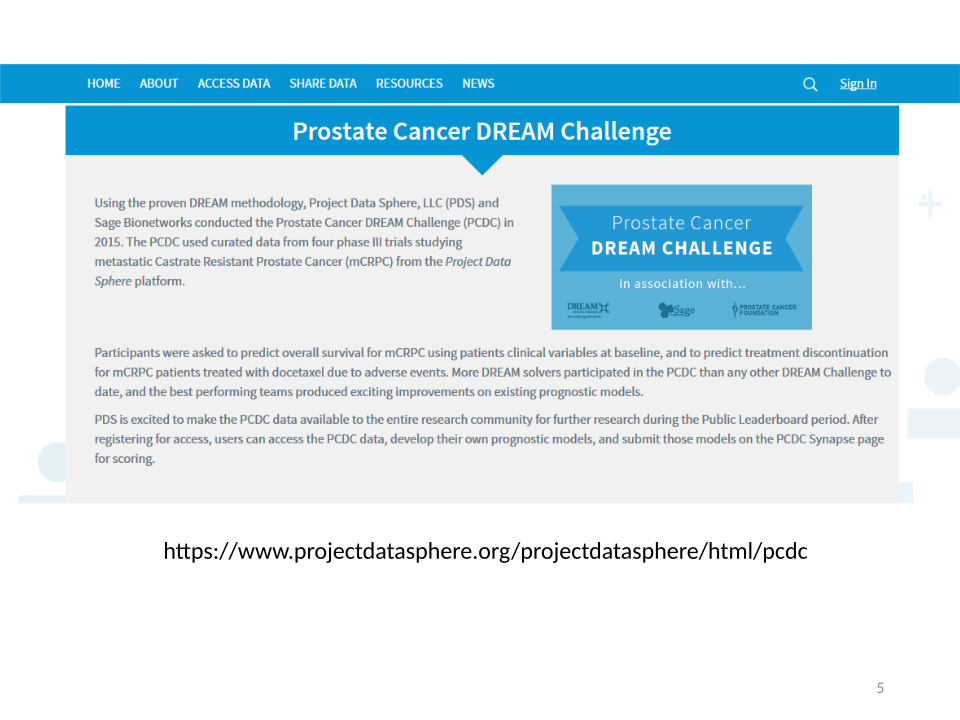
https://www.projectdatasphere.org/projectdatasphere/html/pcdc
Development of prostate cancer research database with the clinical data warehouse technology for direct linkage with ele
Development of prostate cancer research database with the clinical data warehouse technology for direct linkage with electronic medical record system
Why ?
Why ? • Most of the previous research database is completed by manual entry of physicians or clinical research coordinators or data entry staffs. • This data entry method is very labor intensive and cumbersome, so it usually fails to capture relevant data at early times.
The CDW is the method to develop clinical database that is optimized for distribution, mass storage and complex query pr
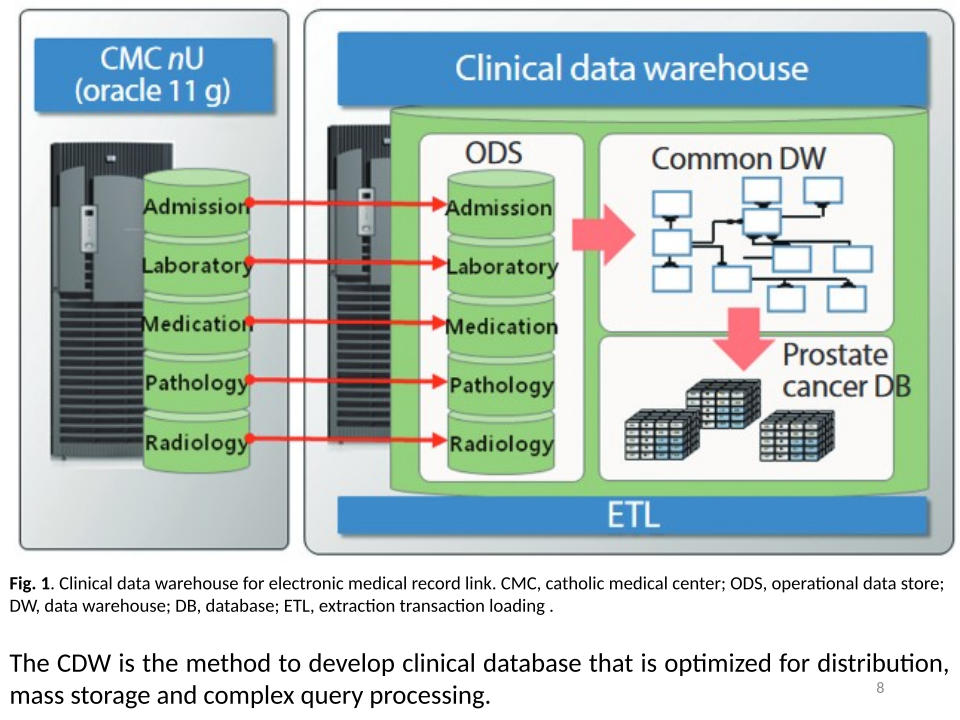
Fig. 1. Clinical data warehouse for electronic medical record link. CMC, catholic medical center; ODS, operational data store; DW, data warehouse; DB, database; ETL, extraction transaction loading . The CDW is the method to develop clinical database that is optimized for distribution, mass storage and complex query processing.
• To access and extract research information with less effort. • Comprehensive views of clinical data for specific purpo
• To access and extract research information with less effort. • Comprehensive views of clinical data for specific purpose. • Quality data collection, and decision support capability by quick and efficient access to patient information and linkage to multiple operational data sources. • Accurate and high quality prostate cancer patients’ data can be collected from EMR system and feeds them to central prostate cancer registry system. • All eligible patients with newly diagnosed prostate cancer can be electronically transferred into the prostate cancer registry database from EMR system. • All registered patient information will be periodically updated
Fig. 2. Integrated prostate cancer database system
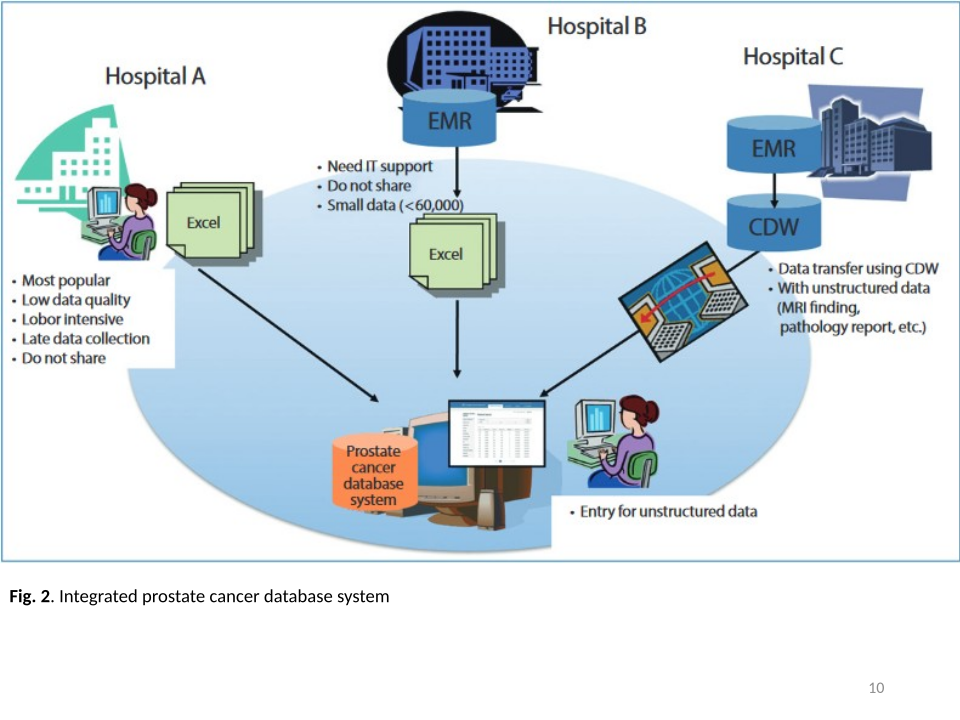
Fig. 3. Patient characteristics by treatment.
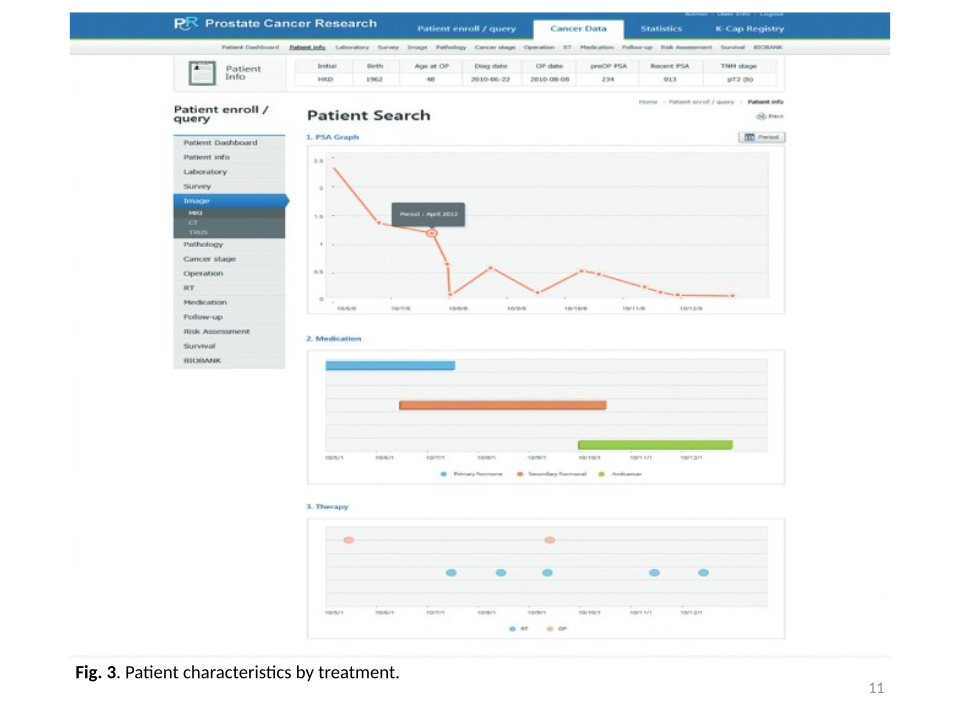
• The proposed system can provide visualization integrating valuable information from different data sources. • Research
• The proposed system can provide visualization integrating valuable information from different data sources. • Researchers interpret clinical effectiveness in place and can be the turning point in uncovering new insights and knowledge about a patient or a disease. • This database system could provide the infrastructure for collecting data on the quality of prostate cancer care. • The large database system, like J-CaP and CaPSURE, can provide valuable real-world information and would help advance clinical management of prostate cancer patients in the future.
First Year Annual Report Organization of Services and Analysis of Existing Clinical Data
First Year Annual Report Organization of Services and Analysis of Existing Clinical Data Source : http://www.npca.org.uk
• NHS providers should ensure that multiparametric MRI is more widely available to decrease the likelihood of unnecessar
• NHS providers should ensure that multiparametric MRI is more widely available to decrease the likelihood of unnecessary re-biopsy and to improve staging and treatment decision making for patients with potentially curable disease where indicated. • The availability of high-dose rate brachytherapy should be increased for men with intermediate and high-risk localized or locally advanced prostate cancer. • The availability of personal support services including cancer advisory centers, sexual function and continence advice, and psychological counselling should be improved. • Patients with prostate cancer should have access to a CNS with an appropriate background in uro-oncology. • NHS providers should ensure that patients have access to a joint clinic with a surgeon, an oncologist and a CNS to discuss their treatment options.
Second Year Annual Report – Further analysis of existing clinical data and preliminary results from the NPCA Prospective

Second Year Annual Report – Further analysis of existing clinical data and preliminary results from the NPCA Prospective Audit Source : http://www.npca.org.uk
• The initial results of the NPCA Prospective Audit(2015) demonstrates its potential to evaluate practice and outcomes o
• The initial results of the NPCA Prospective Audit(2015) demonstrates its potential to evaluate practice and outcomes of prostate cancer services. However, there is a need for further improvements in Trust participation, case ascertainment and data completeness • The collection of complete and accurate staging data is a key priority. More complete collection of data on nodal and metastatic disease will help to better distinguish between men with locally advanced and advanced (metastatic) disease • Clinical practice is gradually falling in line with current recommendations which advocate that patients with low-risk disease are offered active surveillance – in order to avoid over-treatment – and those with locally advanced disease are offered radical treatment – in order to avoid under-treatment • Length of stay after radical prostatectomy is reducing and only 22% of patients diagnosed between 2010 and 2013 stayed longer than three days in hospital • There was considerable regional variation in the treatment of men with locally advanced disease diagnosed between 2010 and 2013. This variation may partly reflect problems in identifying men who had radical treatments and partly differences in actual treatment
What is the solution ?
What is the solution ? • Researchers who provide timely access to clinical trial data are meeting their duty to trial participants and funders as well as helping to ensure that physicians and patients do not have to make decisions based on partial evidence. • In the future, access to de-identified patient data within a specified time frame should be a precondition for receiving public funding, and breach of the agreement should lead to cessation of funding until data are shared.
Data Analysis Tools
Data Analysis Tools SEER*Stat is a software used to analyze SEER data. Joinpoint is a software used to analyze trends in data. DevCan is a software used to calculate lifetime risks of getting or dying from cancer. HD*Calc is a software that generates summary measures for evaluating and monitoring health disparities
Caisis - An Open Source, Web-based, Patient
Caisis - An Open Source, Web-based, Patient Data Management System to Integrate High Quality Research with Patient Care • PCCTC offers Caisis, a web-based clinical oncology data management system fully integrating research with patient care. • For over a decade, collaboration with over 25 institutions has allowed Caisis to develop and evolve in an environment of constant feedback and scrutiny. • Accordingly, Caisis clinical trial management and electronic data capture tools can be customized to fit the scale and complexity of each new project.
Fig. 4. A map of some of the institutions where the Caisis application is being utilized.
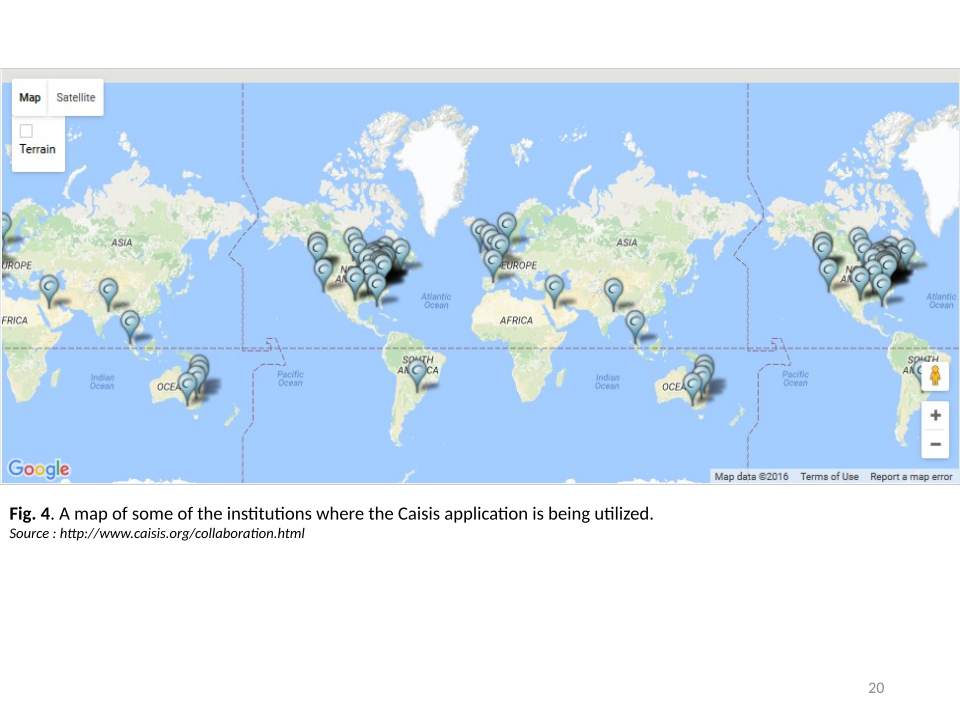
Fig. 4. A map of some of the institutions where the Caisis application is being utilized. Source : http://www.caisis.org/collaboration.html
Flexible Forms for Data Collection
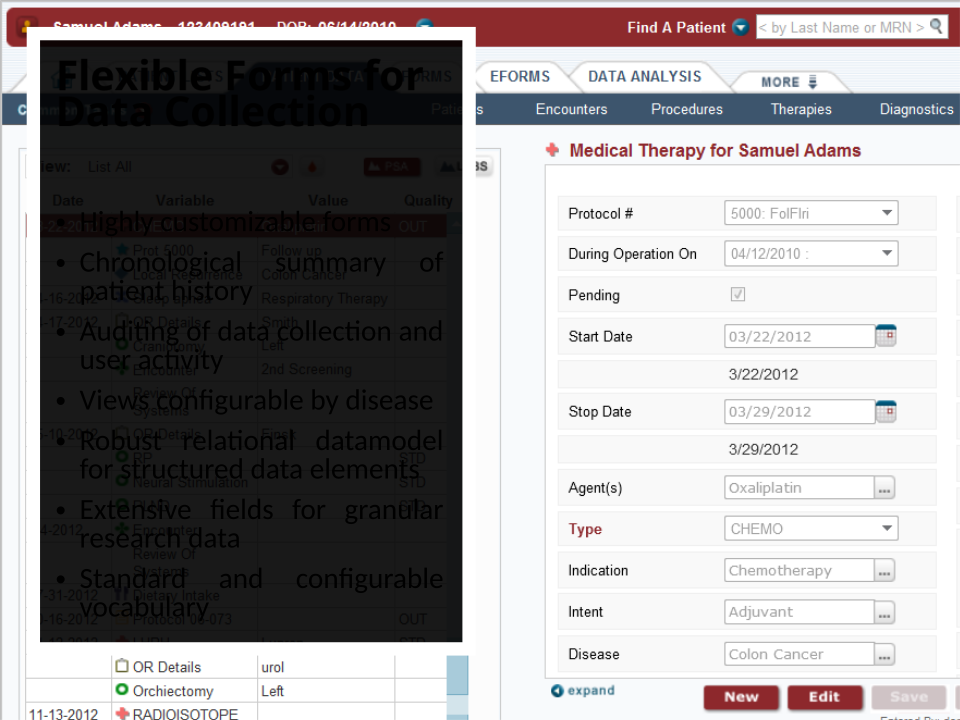
Flexible Forms for Data Collection • Highly customizable forms • Chronological summary of patient history • Auditing of data collection and user activity • Views configurable by disease • Robust relational datamodel for structured data elements • Extensive fields for granular research data • Standard and configurable vocabulary
Data Analysis
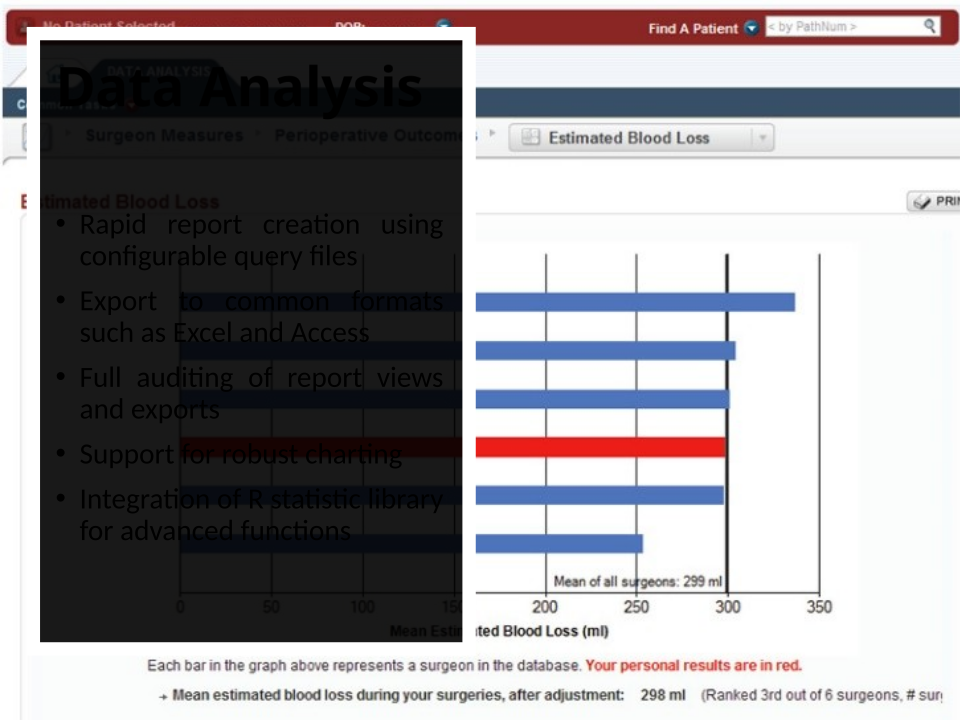
Data Analysis • Rapid report creation using configurable query files • Export to common formats such as Excel and Access • Full auditing of report views and exports • Support for robust charting • Integration of R statistic library for advanced functions
Protocol Manager
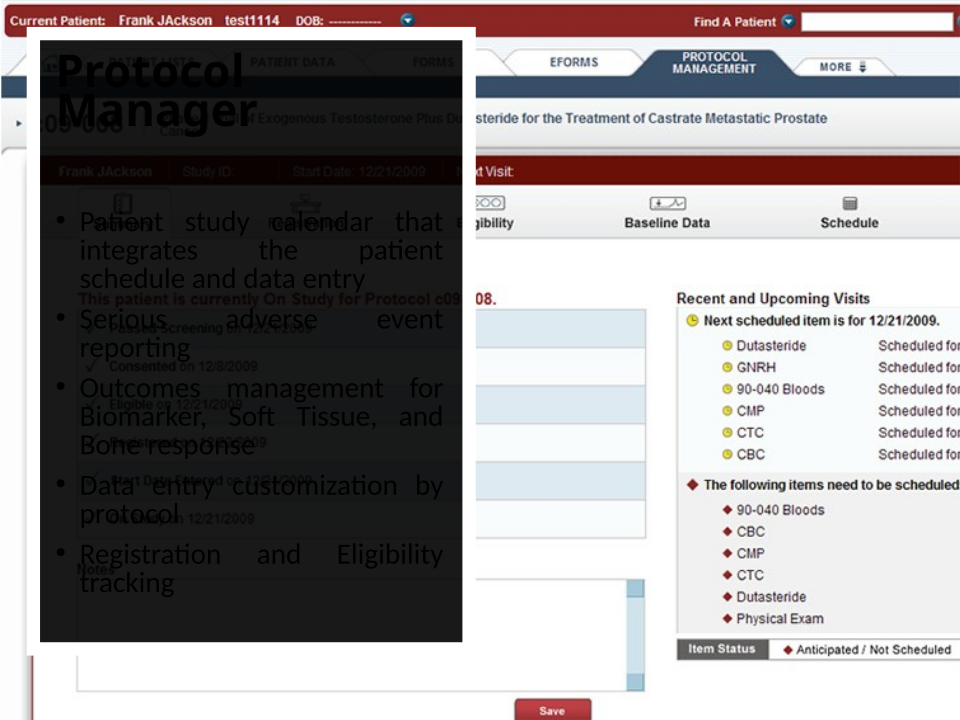
Protocol Manager • Patient study calendar that integrates the patient schedule and data entry • Serious adverse event reporting • Outcomes management for Biomarker, Soft Tissue, and Bone response • Data entry customization by protocol • Registration and Eligibility tracking
References
References • Geifman, N., & Butte, A. . (2016). A patient-level data meta-analysis of standard-of-care treatments from eight prostate cancer clinical trials. Scientific Data,3,160027. • Choi, I. Y., Park, S., Park, B., Chung, B. H., Kim, C.-S., Lee, H. M., … Lee, J. Y. (2013). Development of prostate cancer research database with the clinical data warehouse technology for direct linkage with electronic medical record system. Prostate International,1(2),59–64. • Djulbegovic, M., Beyth, R. J., Neuberger, M. M., Stoffs, T. L., Vieweg, J., Djulbegovic, B., & Dahm, P. (2010). Screening for prostate cancer: systematic review and meta-analysis of randomised controlled trials. The BMJ, 341, c4543. • Haines Ian E, Ablin Richard J, Miklos George L Gabor. Screening for prostate cancer: time to put all the data on the table (2016).The BMJ; 353 :i2574 • Caisis: An Open Source, Web-based, Patient Data Management System to Integrate High Quality Research with Patient Care. Retrieved from http://www.caisis.org/features.html
Thank you !